
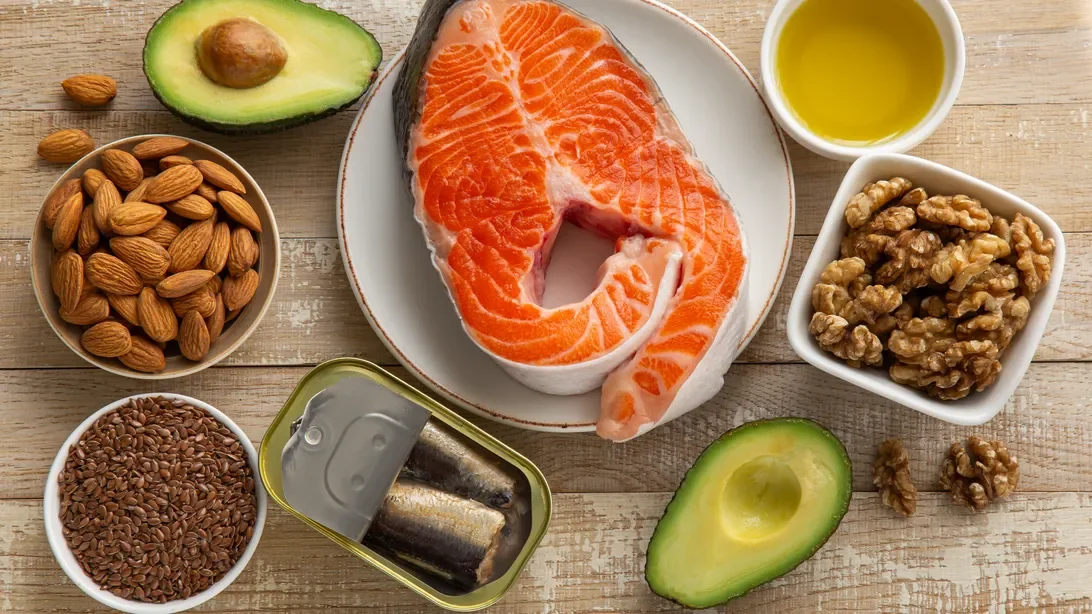

During winter months, individuals often receive less sunlight, which can lead to decreased vitamin D levels. For adults aged 19 to 50, the daily recommendation stands at 15 mcg (or 600 IU). To maintain adequate levels, dietary sources or supplements are advisable.
Several foods are excellent sources of vitamin D. Salmon, particularly wild-caught, contains approximately 670 IU of vitamin D per 3.5-ounce serving. Swordfish also offers a substantial amount, with 666 IU per 100-gram serving, surpassing the daily requirement for most age groups. Meanwhile, fresh yellowfin tuna provides 82 IU per 100-gram serving, while bluefin tuna contains 227 IU of vitamin D for the same quantity.
Additionally, one whole egg yolk delivers about 218 IU of vitamin D, making it a nutritious breakfast option. Some brands of orange juice are fortified with vitamin D, which can be beneficial for those looking to increase their intake. Always check product labels to confirm vitamin D content.