

Groundbreaking multi-coronavirus vaccine begins human trials, leveraging UW Medicine's innovation

Groundbreaking multi-coronavirus vaccine begins human trials, leveraging UW Medicine's innovation

A new vaccine, GBP511, targeting multiple coronaviruses begins human trials in Australia, backed by $65 million in funding, potentially reshaping pandemic preparedness.

NeboAI I summarize the news with data, figures and context
IN 30 SECONDS

IN 1 SENTENCE

SENTIMENT
Neutral

𒀭
NeboAI is working, please wait...
Preparing detailed analysis
Quick summary completed
Extracting data, figures and quotes...
Identifying key players and context
DETAILED ANALYSIS
SHARE

NeboAI produces automated editions of journalistic texts in the form of summaries and analyses. Its experimental results are based on artificial intelligence. As an AI edition, texts may occasionally contain errors, omissions, incorrect data relationships and other unforeseen inaccuracies. We recommend verifying the content.

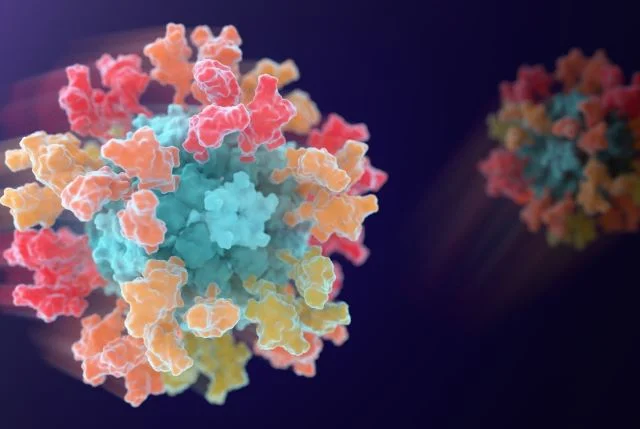
A new coronavirus vaccine, named GBP511, is set to begin human clinical trials in Australia, targeting multiple strains of coronaviruses, including the one responsible for COVID-19. Developed by the University of Washington’s Institute for Protein Design, this innovative vaccine utilizes a self-assembling nanoparticle technology.

Leading the trial is SK bioscience, a South Korean pharmaceutical firm that has previously collaborated with UW researchers on a COVID-19 vaccine that gained regulatory approval. Notably, the Coalition for Epidemic Preparedness Innovations has allocated around $65 million to support the GBP511 initiative.

According to Neil King, an associate professor at UW Medicine and co-inventor of the vaccine technology, GBP511 is the first vaccine aimed at providing protection against a range of coronaviruses, including those that could lead to severe outbreaks. The vaccine is designed to recognize sarbecoviruses, which include not only the virus responsible for COVID-19 but also other significant pathogens like SARS-CoV-1 and MERS-CoV.

This vaccine's unique approach involves attaching components from four different coronaviruses to a nanoparticle, thereby enhancing the immune response against various viral threats.

Want to read the full article? Access the original article with all the details.
Read Original Article
TL;DR

This article is an original summary for informational purposes. Image credits and full coverage at the original source. · View Content Policy

Editorial
Editorial Staff

Our editorial team works around the clock to bring you the latest tech news, trends, and insights from the industry. We cover everything from artificial intelligence breakthroughs to startup funding rounds, gadget launches, and cybersecurity threats. Our mission is to keep you informed with accurate, timely, and relevant technology coverage.

Press Enter to search or ESC to close