

Expert Reveals AI and Quantum Tech Can Reduce Rare Earth Supply Chain to Just 3 Years

Expert Reveals AI and Quantum Tech Can Reduce Rare Earth Supply Chain to Just 3 Years

China controls 90% of rare earth processing, posing challenges for Western nations seeking alternatives. AI and quantum tech may cut development time from decades to years, but competition remains tough.

NeboAI I summarize the news with data, figures and context
IN 30 SECONDS

IN 1 SENTENCE

SENTIMENT
Neutral

𒀭
NeboAI is working, please wait...
Preparing detailed analysis
Quick summary completed
Extracting data, figures and quotes...
Identifying key players and context
DETAILED ANALYSIS
SHARE

NeboAI produces automated editions of journalistic texts in the form of summaries and analyses. Its experimental results are based on artificial intelligence. As an AI edition, texts may occasionally contain errors, omissions, incorrect data relationships and other unforeseen inaccuracies. We recommend verifying the content.

The integration of artificial intelligence and quantum computing into the rare earth minerals sector could potentially shrink the development timeline for synthetic substitutes from a span of 10 to 20 years to just a few years, according to Jack Hidary, CEO of SandboxAQ. The focus on these technologies aims to not only create viable alternatives but also mitigate the geopolitical risks associated with concentrated supply chains.

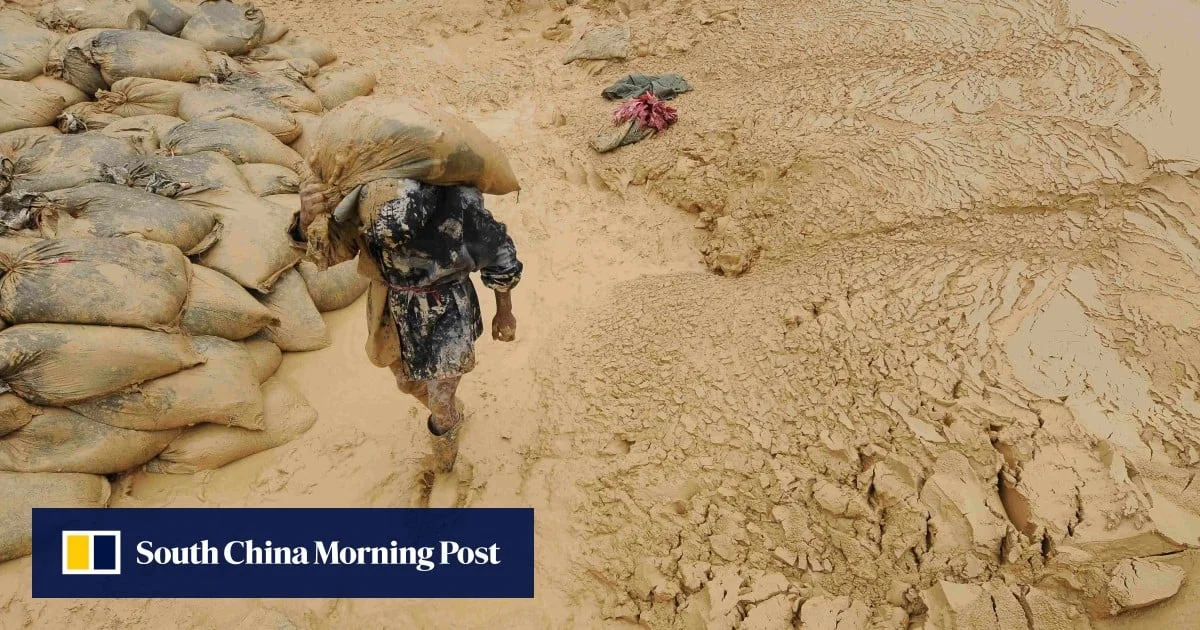
China currently dominates the rare earth market, controlling the majority of global mining operations and nearly 90 percent of processing and refining capacity. This stronghold has been bolstered by the nation’s willingness to take on significant environmental and health risks, a factor that has hindered other countries' efforts to establish competitive supply chains. Despite the technological advancements being explored, analysts note that transitioning from laboratory innovations to large-scale production remains a daunting challenge.

As tensions rise between the U.S. and China, Beijing has enacted export restrictions on certain heavy rare earth elements, further complicating the landscape for Western nations attempting to secure alternative supply routes. The urgency for these countries to develop independent sources of rare earth materials is growing, yet establishing a foothold in this critical industry remains a substantial hurdle.

Want to read the full article? Access the original article with all the details.
Read Original Article
TL;DR

This article is an original summary for informational purposes. Image credits and full coverage at the original source. · View Content Policy

Editorial
Editorial Staff

Our editorial team works around the clock to bring you the latest tech news, trends, and insights from the industry. We cover everything from artificial intelligence breakthroughs to startup funding rounds, gadget launches, and cybersecurity threats. Our mission is to keep you informed with accurate, timely, and relevant technology coverage.

Press Enter to search or ESC to close