
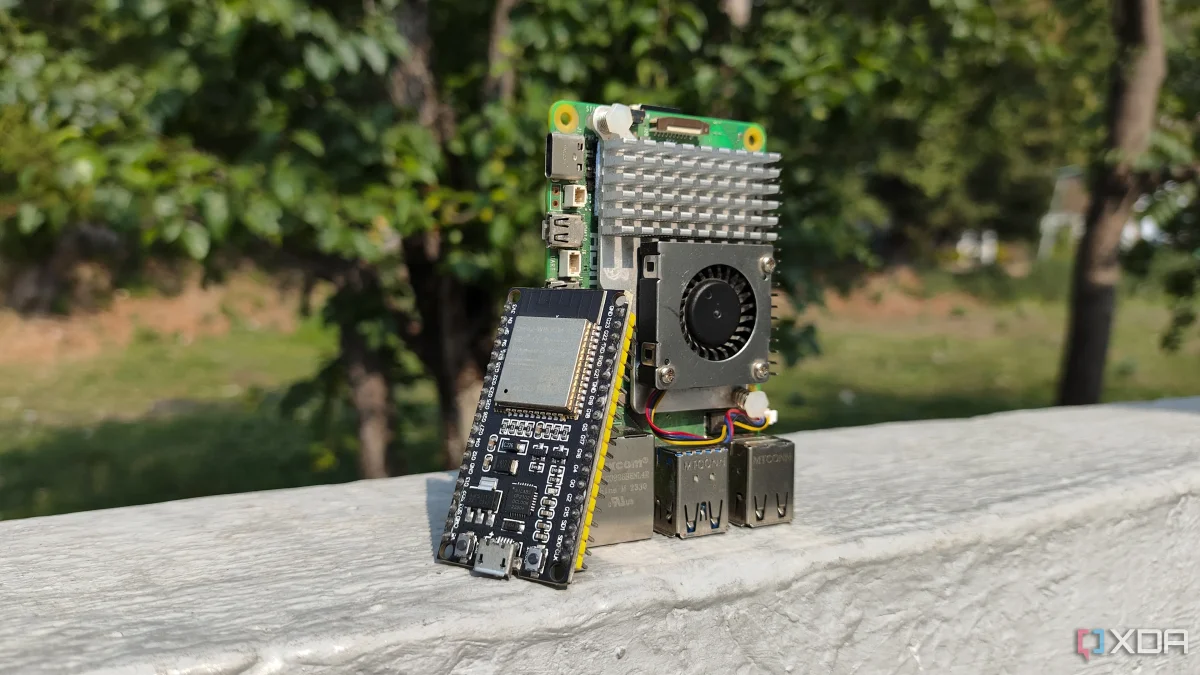

Microcontrollers are transforming how home automation projects are executed, reducing the reliance on full Linux installations. These compact devices now effectively manage sensor data without the complications of a traditional operating system, enabling seamless aggregation from multiple sensors using protocols such as I2C and SPI.
Previously, creating a whole-home sensor hub required extensive software setups, but advancements in microcontroller capabilities allow for efficient data handling directly on the device. By employing appropriate firmware, these controllers can buffer data during network interruptions, ensuring consistent reporting.
The growing availability of standardized libraries and board support packages facilitates the management of various sensor types, including temperature and humidity. This shift not only simplifies the sensor management process but also enhances reliability, as microcontrollers avoid issues such as unexpected updates that can disrupt operations.
Additionally, microcontrollers are now capable of hosting local web dashboards, allowing users to control and monitor systems without needing a dedicated server. This development marks a significant evolution in the ecosystem, emphasizing the practicality and effectiveness of microcontrollers for home automation tasks.